- Published - 26 - February - 2026
DTCP Approvals Assistance by Brindhavanam Promoters – Complete Guidance & Legal Support
- What is DTCP Approval?
- Why Is DTCP Approval Important?
- Who Needs DTCP Approval?
- Documents Required for DTCP Approval
- DTCP Approval Process – Step by Step
- Common Challenges in DTCP Approval
- How Brindhavanam Promoters Helps You
- Why Choose Brindhavanam Promoters?
- Benefits of Getting DTCP Approval
- Frequently Asked Questions (FAQ)
Getting DTCP approval is one of the most important steps before developing or selling land in Tamil Nadu. Without proper approval, layouts and plots may face legal complications, loan rejection, and resale issues.
At Brindhavanam Promoters, we provide professional DTCP approval assistance to ensure your property complies with all government norms and regulations.
In this blog, we explain what DTCP approval is, why it is required, and how our expert team helps you secure approval smoothly.
What is DTCP Approval?
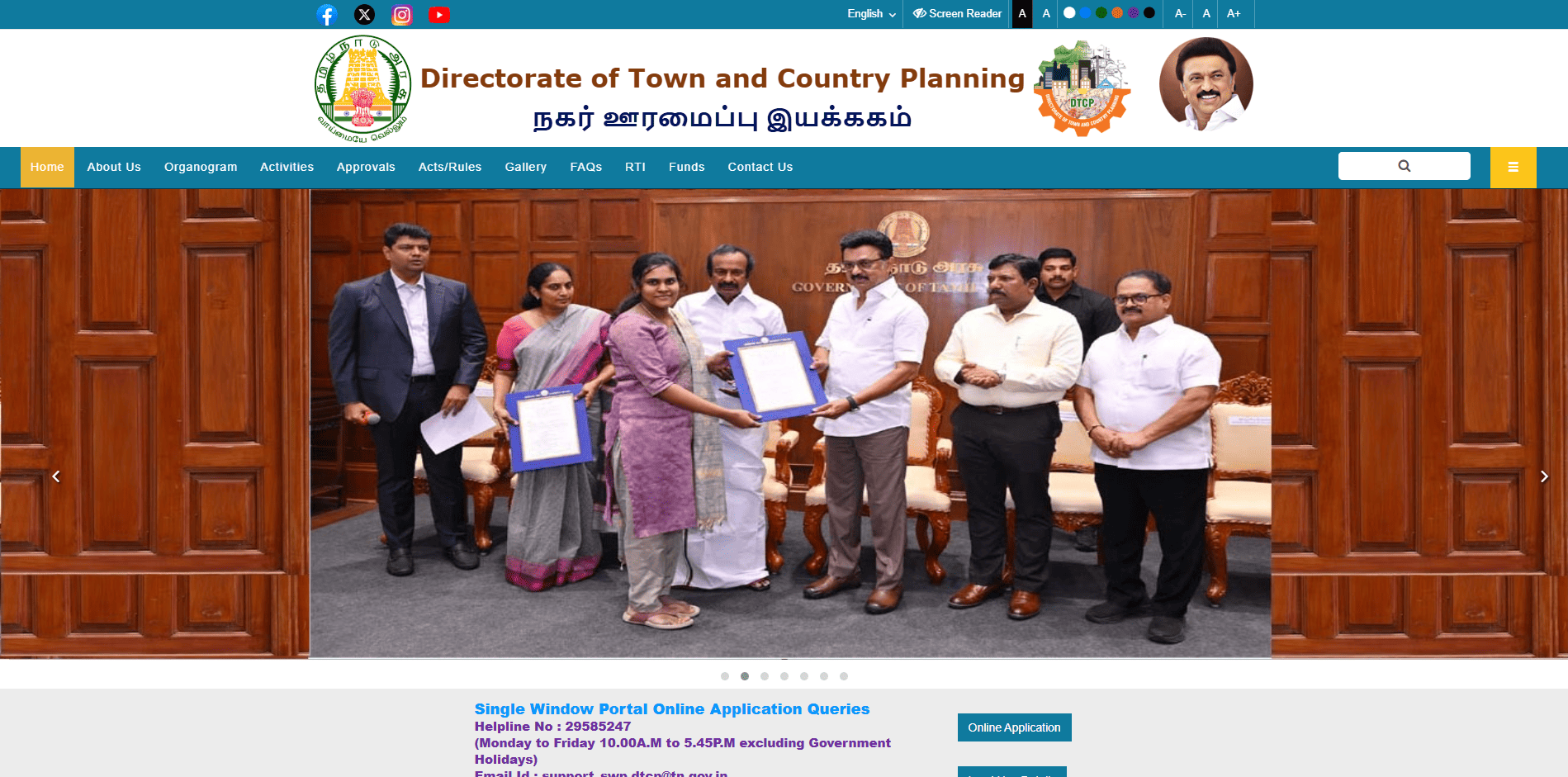
DTCP (Directorate of Town and Country Planning) is the planning authority responsible for regulating land and layout development across Tamil Nadu (except Chennai Metropolitan Area).
DTCP approval ensures that:
Layout follows planning regulations
Roads meet minimum width standards
Open Space Reservation (OSR) is allocated
Land use zoning is proper
Infrastructure planning is compliant
If your land is outside Chennai Metropolitan Area, DTCP approval is mandatory for layout development.
Why Is DTCP Approval Important?
1️⃣ Legal Compliance
Unapproved layouts may face penalties, notices, or demolition risks. DTCP approval confirms the project is legally valid.
2️⃣ Bank Loan Eligibility
Most banks approve home loans only for DTCP-approved plots.
3️⃣ Higher Property Value
Approved layouts have better resale value and market trust.
4️⃣ Safe Investment
DTCP approval protects buyers from future legal disputes.
Who Needs DTCP Approval?
DTCP approval is required for:
Layout development
Plot subdivision
Residential layout formation
Commercial land development
Real estate promoters
Landowners converting agricultural land
If you are planning to sell plots, approval is essential.
Documents Required for DTCP Approval
The approval process requires:
Patta copy
Sale Deed
Parent documents
FMB sketch
A-Register extract
Land conversion order (if agricultural land)
Layout drawing plan
Road access proof
Encumbrance Certificate
Our team helps you organize and verify all documents before submission.
DTCP Approval Process – Step by Step
1️⃣ Land document verification
2️⃣ Layout plan preparation
3️⃣ Road and OSR planning compliance
4️⃣ Submission to DTCP authority
5️⃣ Scrutiny and technical verification
6️⃣ Rectification (if required)
7️⃣ Final approval issuance
The process requires technical knowledge and documentation accuracy.
Common Challenges in DTCP Approval
Incorrect land classification
Missing parent documents
Survey number mismatch
Insufficient road width
Layout plan errors
Delay in file processing
With expert guidance, these issues can be avoided.
How Brindhavanam Promoters Helps You
At Brindhavanam Promoters, we provide complete DTCP approval assistance including:
✔ Document verification
✔ FMB & A-Register coordination
✔ Layout drawing preparation
✔ Land conversion support
✔ Application filing & follow-up
✔ Compliance corrections
✔ Final approval coordination
We handle the entire process from start to approval.
Why Choose Brindhavanam Promoters?
✅ Experienced approval consultants
✅ Strong documentation support
✅ Transparent process
✅ Timely follow-up
✅ End-to-end assistance
✅ Legal compliance focus
We ensure your layout is legally secure and market-ready.
Benefits of Getting DTCP Approval
✔ Legal protection
✔ Easy bank loan approval
✔ Increased resale value
✔ Buyer trust
✔ Reduced legal risks
✔ Government compliance
Investing in approval is investing in long-term security.
Frequently Asked Questions (FAQ)
Yes, it is required for legally selling layout plots.
The timeline varies depending on documentation and scrutiny process.
Yes, after proper land conversion.
Mostly no. Approval is usually required.